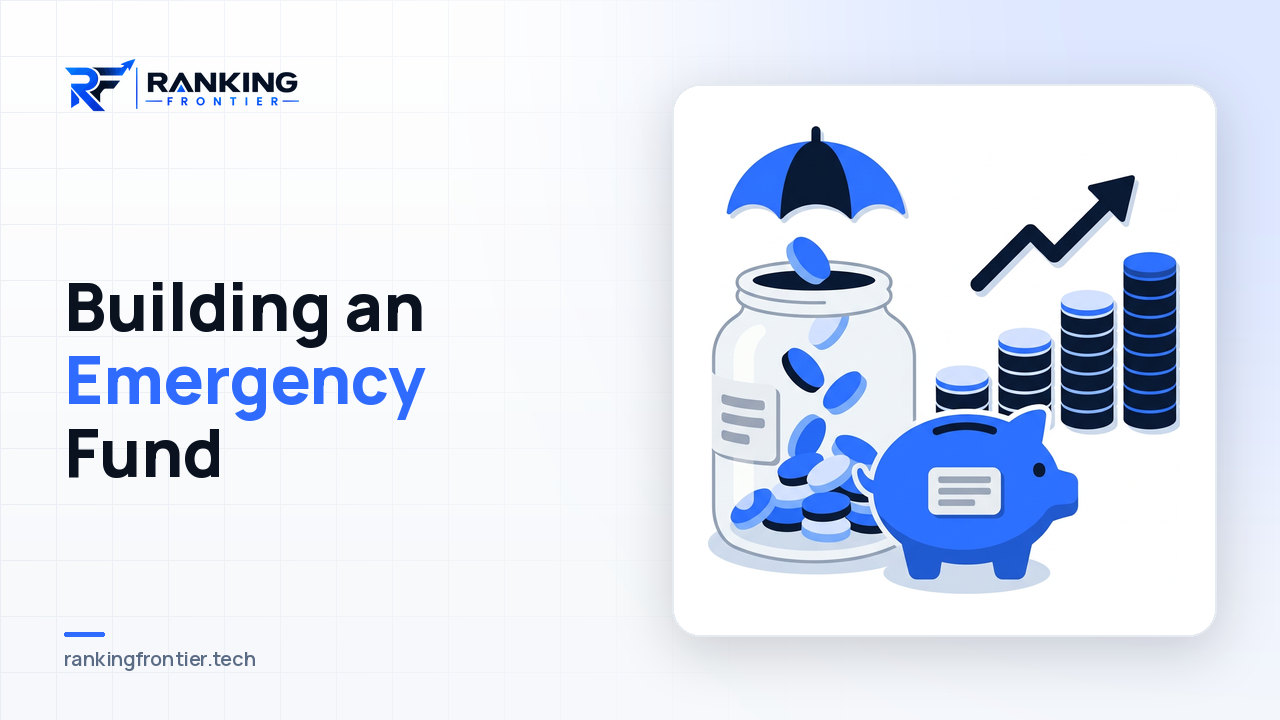
An emergency fund is the least exciting part of personal finance and the one that quietly determines whether everything else works. Without it, a car repair goes on a credit card, a gap between jobs becomes debt, and a long-term savings plan gets raided the first time something breaks. With it, the same events are inconvenient rather than destabilising. The idea is simple. The difficulty is almost entirely in getting started and staying consistent when there's never a month with money left over.
This guide covers what an emergency fund is for, how to work out a target that fits your situation, where to keep the money, and how to build it up steadily even on a tight budget.
What an emergency fund is actually for
An emergency fund is cash set aside for genuine, unplanned, necessary expenses: losing your income, a medical cost, an essential repair to your home or vehicle, an urgent trip. It is not for planned spending (holidays, annual insurance, a new phone), which belongs in separate short-term savings, and it is not an investment. Its job is to be available immediately and to be worth the same tomorrow as it is today, which shapes where it should be kept.
The clearest test of whether something qualifies: is it unexpected, is it necessary, and is it urgent? If the answer to all three is yes, that's what the fund is for. If not, it's a spending decision.
How much to save
The common guidance of three to six months of essential expenses is a reasonable range, but the right figure depends on your circumstances. Start by adding up what it costs to keep your household running each month at a minimum: housing, utilities, food, transport, insurance, debt minimums, and any dependants' essentials. Leave out discretionary spending; in a real emergency that stops anyway.
Then adjust for risk:
- Toward the lower end if you have stable employment, more than one income in the household, few dependants, and good insurance cover.
- Toward the higher end, or beyond it if you're self-employed or on variable income, the sole earner, have dependants, own a home or an older car, or work in a sector where finding a new role takes time.
If the full figure looks impossible, set a first milestone instead: one month of essentials, or a fixed amount that would cover the most likely small emergencies. The first milestone matters more than the final target, because it's the point at which the fund starts doing its job.
Where to keep it
The fund needs to be safe, accessible within a day or two, and slightly inconvenient to spend on impulse. That usually means:
- A separate savings account, ideally at a different bank from your everyday current account, so it isn't visible every time you check your balance.
- An account that pays some interest without locking the money away. Easy-access or instant-access savings accounts are the usual fit; fixed-term deposits and investments are not, because you may need the money at exactly the wrong moment to sell.
- Protection. Keep the balance within whatever deposit protection scheme applies where you live.
Avoid keeping it in cash at home beyond a small amount, in your current account where it blends into spending money, or in anything whose value can fall. The point is certainty, not return.
Building the fund when money is tight
- Automate a transfer on payday. Even a small amount, moved before you can spend it, builds faster than good intentions at the end of the month. Increase it when you can.
- Direct windfalls to the fund first. Tax refunds, bonuses, gifts, money from selling things. Deciding this in advance removes the temptation to treat them as spending money.
- Cut one recurring cost and redirect it. An unused subscription, a cheaper phone plan, a renegotiated bill. Send the difference to the fund automatically.
- Sell what you don't use. One weekend of listing unused items can produce a meaningful first deposit.
- Add a temporary side income. Even a few months of extra work can complete the first milestone; it doesn't have to be permanent.
- Round up. Some banks round purchases up and save the difference. Small, but it adds up unnoticed.
Consistency matters more than size. A modest automatic transfer every month will reach the target; an ambitious one that gets cancelled after two months won't.
Emergency fund or paying off debt?
If you carry high-interest debt, it's tempting to throw every spare amount at it. The problem is that without any cash buffer, the next emergency goes straight back onto the same card, and the cycle continues. A sensible middle path: build a small starter fund first, enough to cover the most common minor emergencies, then focus on the expensive debt, then return to build the fund to its full size. The exact split depends on your interest rates and how secure your income is, and anyone with significant debt problems should consider talking to a qualified adviser or a free debt advice service.
Using it, and refilling it
When a genuine emergency comes, use the fund. That's what it's for, and spending it on the situation it was built for is a success, not a failure. Afterwards, restart the automatic transfer and rebuild before returning to other goals. Review the target once a year or whenever your circumstances change: a new dependant, a move, a change of job or income all shift what "enough" means.
FAQ
Should I build an emergency fund before I start investing?
Most general guidance suggests having at least a basic buffer in place first, so that an emergency doesn't force you to sell investments at a bad time or take on debt. Exceptions exist, such as employer pension contributions you'd otherwise lose; for anything specific to your situation, a qualified financial adviser can help.
Is a credit card an acceptable emergency fund?
It's a backstop, not a fund. Credit can be withdrawn or reduced, especially during the kind of economic conditions that cause emergencies, and it turns a one-off cost into ongoing interest. Cash you own is the only buffer that doesn't depend on someone else's decision.
What counts as an emergency?
Unexpected, necessary and urgent, all three. A boiler failing in winter qualifies; a sale on something you wanted doesn't. Writing your own short definition when you set up the fund makes the decision easier when the moment comes.
Conclusion
An emergency fund turns unpredictable events into manageable ones. Work out your essential monthly costs, set a first milestone you can reach, keep the money separate and accessible, and let an automatic transfer do the work. It won't feel like progress for the first few months. Then something will go wrong, and it will be the best financial decision you made that year.
This article is general information, not personalised financial advice. For decisions about your own circumstances, consider speaking with a qualified financial adviser.