Most link building outreach fails before anyone reads past the subject line. The email is templated, the site was never actually looked at, and the ask arrives before any reason to say yes. Publishers receive dozens of these a week, which is why the reply rate on generic pitches is so low and why "outreach" has such a poor reputation among the people on the receiving end.
It doesn't have to work that way. Outreach that starts with relevance, respects the editor's time and offers something genuinely useful gets replies, gets placements, and keeps getting them because the relationship survives the first link. This guide walks through the process in the order that actually matters: prospecting, qualifying, the pitch, follow-up, and what to do once someone says yes.
What outreach is really for
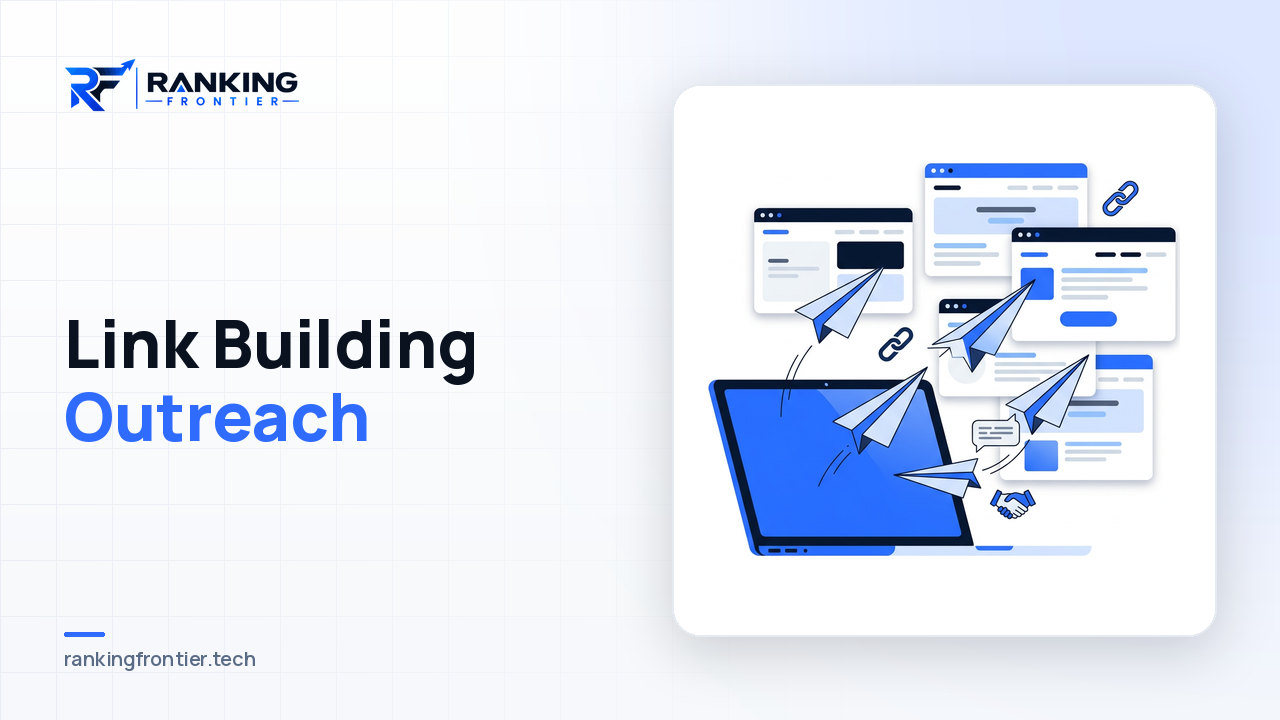
Backlink outreach is the process of finding sites that are relevant to yours, contacting the people who run them, and proposing something that earns a link: a guest article, a resource worth referencing, a correction, a contribution to a piece they're already writing. It sits underneath most other link-building approaches. Guest posting, link insertions and digital PR all depend on someone reaching out and being taken seriously.
The useful reframe is that outreach is a request for editorial attention, not a transaction. The editor is asking one question: does this make my site better for my readers? Everything below is about making the honest answer yes.
Prospecting: building a list worth emailing
A good prospect list is small and relevant rather than long and impressive-looking. Useful sources include:
- Sites already ranking for your topics. Search your core informational queries and note the publications, not just the individual pages, that appear repeatedly.
- Competitor link profiles. Sites that have linked to similar businesses have already shown they cover the topic and link out.
- Resource and roundup pages. Pages that curate tools, guides or examples in your niche are built to link out, provided your page genuinely belongs.
- Publications your customers read. Ask them. Niche newsletters and trade blogs often carry more relevant traffic than general high-authority sites.
Capture the site, the specific page or section that's relevant, and the reason it's a fit. If you can't write the reason in one sentence, it isn't a prospect yet.
Qualifying before you pitch
Qualification is where budget is saved or wasted. Before a prospect gets an email, check:
- Topical fit. Does the site publish content your audience would read? A high-authority site in an unrelated niche is not a good link; it's a suspicious one.
- Real readership. Look for signs of an actual audience: recent posts, comments or shares, ranking pages, a real editorial voice. Metrics alone can be inflated.
- Editorial standards. Read three recent posts. If they're thin, off-topic or clearly sold, the link will carry that context.
- Outbound link pattern. Pages stuffed with unrelated commercial links are a sign the site sells placements indiscriminately.
- The right person. Find a named editor or author rather than a generic inbox where possible. A pitch to the person who wrote the relevant piece is far more likely to be read.
Cutting a list from 200 to 40 at this stage feels like losing progress. It isn't: the 40 are the only ones that were ever going to convert.
Writing an outreach email people answer
The structure of an effective outreach email is short and specific:
- A subject line that describes the actual content. "Suggestion for your guide on X" beats "Collaboration opportunity" every time.
- One line that proves you read the site. Refer to a specific article and a specific point. Skip flattery; a concrete reference does the work.
- The offer, stated plainly. What you're proposing, why it fits their readers, and what it gives them: a fresh angle, a useful resource, an update to something outdated.
- Make it easy to say yes. Offer two or three specific article ideas, or point to the exact page and paragraph where a reference would help. Vague asks create work for the editor.
- A clear, low-pressure close. One question, no deadline theatre, no "I know you're busy but".
Keep the whole thing under 150 words where you can. Personalisation means the email could only have been sent to this person about this page. If a paragraph could be pasted into any other pitch, cut it or rewrite it.
What to leave out
Don't lead with your domain metrics, don't attach documents, don't ask for a "do-follow" link in the first message, and don't offer payment for editorial coverage. If a site sells placements, they'll tell you; leading with money tells everyone else what kind of link you're after.
Follow-up without becoming spam
A single polite follow-up after five to seven working days is reasonable; editors miss emails. One more after a further week is the limit. Each follow-up should add something (a new idea, a relevant update, a shorter version of the ask) rather than just bumping the thread. If there's still no reply, close the loop in your tracker and move on. Persistence past that point damages your name with the very publications you want to work with.
What to do when someone says yes
The placement is the start of the relationship, not the end of it. Deliver what you promised, on time, to the standard of their best content. Use natural anchor text that fits the sentence rather than an exact-match keyword. Once it's live, share it, thank the editor, and note the contact for future pieces. Publishers remember contributors who made their job easier, and the second and third placements with the same site are usually far cheaper to earn than the first.
This is also where outreach done in-house often breaks down: the process works, but nobody has time to keep it running. That's the point at which a managed link building outreach programme becomes worth considering, provided it follows the same relevance-first standards described here.
Measuring outreach honestly
Track the numbers that reflect quality, not just activity: qualified prospects per week, reply rate, placement rate from replies, and how many placements are on sites that pass your own relevance test. A campaign with 40 emails and six relevant placements is doing better than one with 400 emails and ten weak ones, and the metrics should show that. Over time, watch referral visits from placements and rankings for the pages you're building links to, remembering that authority compounds over months rather than weeks.
FAQ
What is a realistic reply rate for link building outreach?
It varies enormously by niche, list quality and pitch. Rather than benchmark against a universal figure, compare your own campaigns over time: better qualification and more specific pitches should move the rate up. If it isn't moving, the list or the offer is the problem, not the volume.
Should I use outreach templates?
Use a structure, not a script. A consistent skeleton keeps emails short and focused, but the opening reference, the offer and the specific ask should be written for each site. Editors can tell the difference immediately.
Is it worth pitching sites that don't publish guest content?
Sometimes, with a different offer. Pointing out an outdated statistic, a broken reference or a gap in an existing article, and offering your resource as the fix, works on sites that would never accept a guest post. It only works if the resource genuinely improves their page.
Conclusion
Outreach gets replies when it deserves them: a relevant site, a real reason to write, a specific and useful offer, and the discipline to stop after two follow-ups. Build a short list, qualify it hard, write like a person, and treat every yes as the beginning of a working relationship. That's slower than blasting a template to a thousand addresses, and it's the only version that builds anything you get to keep.