Most SEO audits end the same way: a long document, a colour-coded spreadsheet, a few hundred "issues" ranked by a tool's idea of severity, and no real change to what the team does next month. The audit was accurate. It just wasn't a strategy. It described the site without deciding anything.
An audit is only worth doing if it produces a prioritised roadmap: a short, ordered list of what to fix and build, in what sequence, and why. This guide walks through how to conduct an SEO audit with that outcome in mind, how to turn findings into priorities, and how to sequence the work so that the first quarter's effort actually moves something.
Start with the business goal, not the crawl
Before any tool runs, write down what the site is supposed to do: which pages should convert, which topics the business needs to be visible for, which markets matter. Every finding in the audit will be weighed against this. A broken canonical on a page nobody needs to rank is a footnote; the same problem on your primary service page is priority one. Without the goal, everything looks equally urgent and nothing gets done first.
Pull the baseline numbers now too: organic traffic and conversions by page group, and current rankings for the terms that matter. The roadmap will be measured against these.
Technical audit: can search engines reach and understand the site?
The technical SEO audit answers a narrow question: is anything preventing important pages from being crawled, indexed and rendered properly? Focus on the issues that block value rather than the long tail of warnings:
- Indexation. Are the pages that should be indexed actually indexed, and are pages that shouldn't be (filters, duplicates, staging leftovers) kept out? Compare what the search console reports against what you intend.
- Crawlability. Robots directives, blocked resources, redirect chains, orphaned pages that no internal link reaches.
- Canonicals and duplication. Self-referencing canonicals on key pages, parameter handling, http/https and trailing-slash consistency.
- Rendering and performance. Whether important content is visible without JavaScript execution problems, and whether page experience metrics are dragging on key templates.
- Structured data. Present, valid and honest on the templates where it adds something.
Record each finding with the pages or templates affected and the business impact. "Twelve product pages have a canonical pointing to the category" is actionable. "312 canonical issues" is not.
Content audit: does each page deserve to rank?
Technical health gets pages into the index; content decides whether they rank once there. For each significant page or page group, assess:
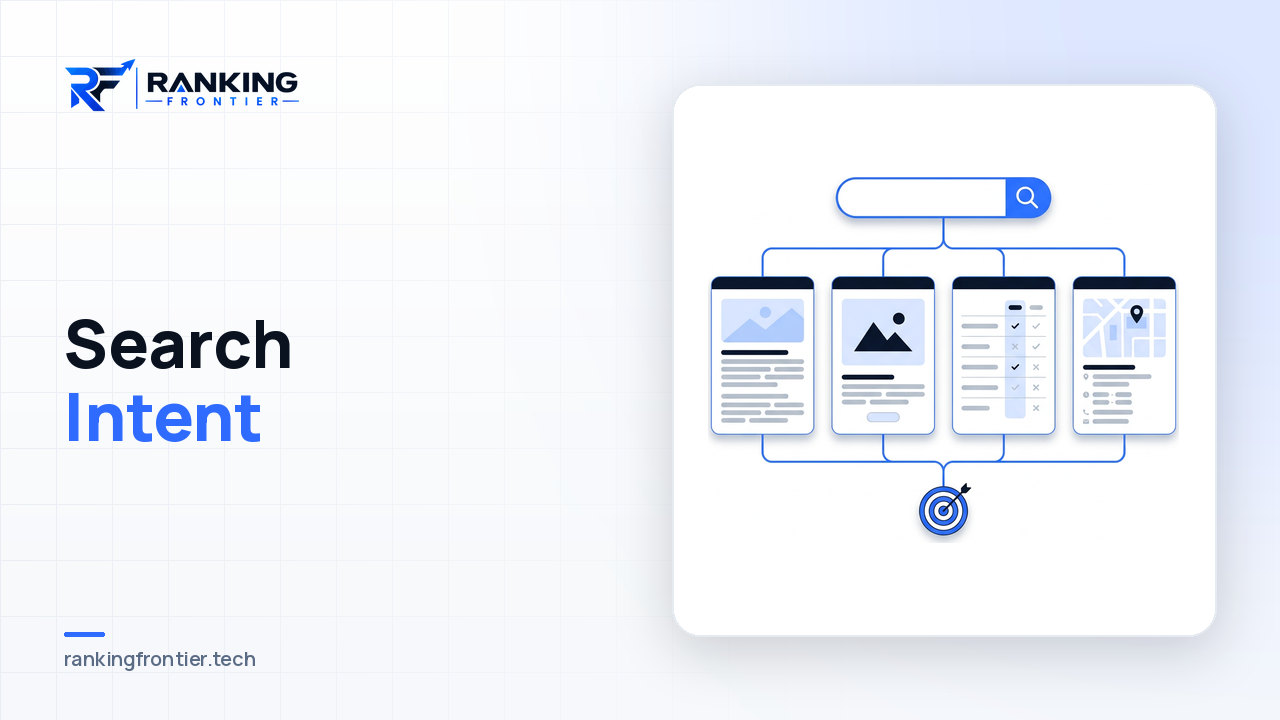
- Intent match. Does the page format match what ranks for its target query? A service page competing against guides, or a thin guide competing against comprehensive ones, is an intent problem rather than a wording problem. Our guide to search intent covers how to check this.
- Depth and usefulness. Does the page answer the question fully, or does it exist to hold a keyword?
- Cannibalisation. Multiple pages targeting the same intent, splitting relevance between them.
- Gaps. Topics your competitors cover and you don't, particularly ones close to your commercial pages.
- Decay. Pages that used to perform and have slid, often because the topic moved on and the page didn't.
- Internal linking. Whether important pages receive links from relevant content, and whether the site's structure makes topical relationships clear.
The output here is usually a set of decisions per page: keep, improve, merge, redirect or remove. That list is already half a roadmap.
Authority audit: what does the link profile say?
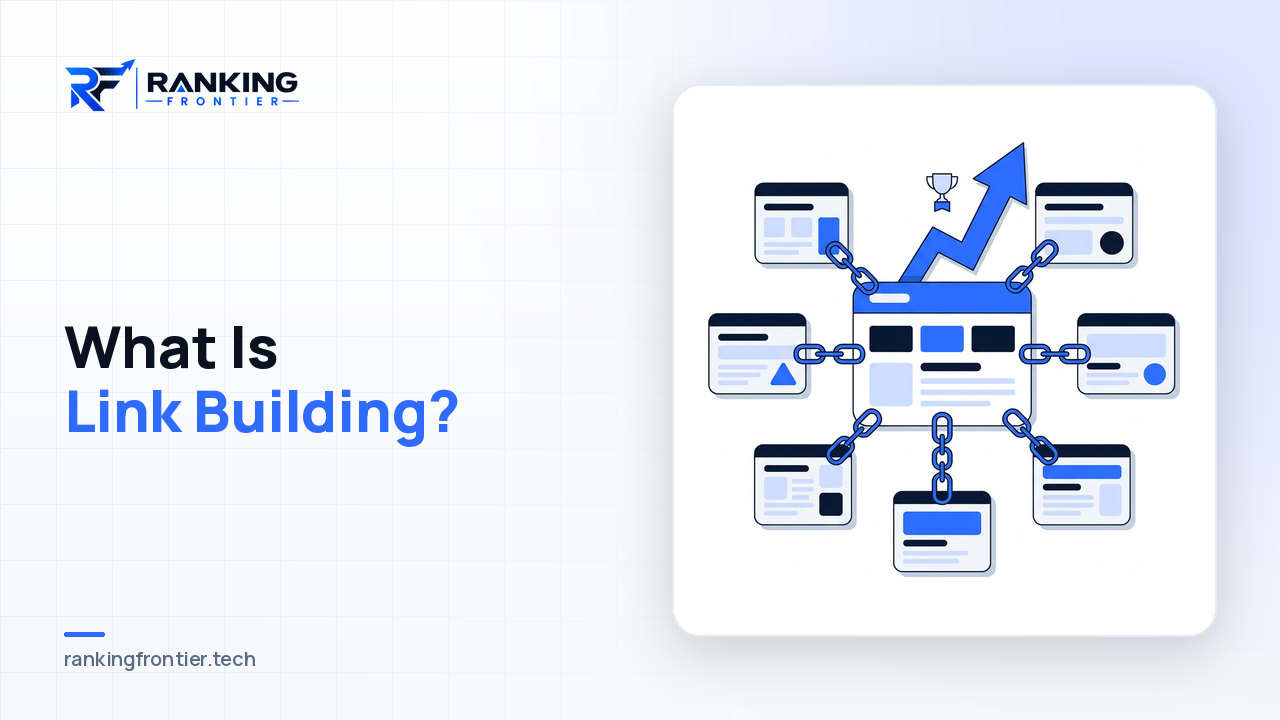
Compare your backlink profile with the competitors who outrank you for the terms you care about. You're looking for the gap in relevant, quality referring domains, not raw counts. Note which of your pages have earned links and which important pages have almost none. Check for obviously toxic patterns worth addressing, but don't let a tool's "toxicity score" drive decisions; relevance and editorial context matter more than any automated metric. The findings feed directly into what link building the roadmap should include and which pages it should support.
Turning findings into priorities
This is the step that separates an audit from a report. Score every finding on two axes:
- Impact: how much does fixing this move the pages that matter toward the business goal?
- Effort: how much work, from whom, and what dependencies?
Then group:
- High impact, low effort. Do these first. Typically: indexation blocks on key pages, broken canonicals, missing internal links to priority pages, quick content fixes on pages already close to ranking.
- High impact, high effort. Plan these as projects with owners and dates: template rebuilds, content clusters, sustained authority building.
- Low impact, low effort. Batch into housekeeping when there's capacity.
- Low impact, high effort. Drop, and say so explicitly. A roadmap that lists everything is a backlog, not a plan.
Be honest about dependencies. Content improvements to a page that isn't indexed do nothing until the indexation issue is fixed. Link building to a page that doesn't match intent builds authority into a page that can't use it. The order matters as much as the list.
Building the SEO roadmap
A usable roadmap fits on a page or two and answers four questions for each item: what, why, who and when. A practical structure:
- Now (first 30 days): the high-impact fixes. Usually technical unblocking and quick content wins.
- Next (quarter): the projects. Content clusters around priority topics, template improvements, the first phase of link building aimed at the pages that now deserve it.
- Later: the larger structural work and the items that depend on earlier phases landing.
- Not doing: the findings deliberately deprioritised, with a sentence each on why. This prevents them from resurfacing every review.
Attach the baseline metrics and the specific indicators each phase should move: indexed pages, rankings for named terms, organic conversions for named page groups. That's how the roadmap gets reviewed, and how it gets defended when priorities are challenged.
Keeping the audit alive
An audit is a snapshot. Sites change, competitors publish, algorithms shift. Schedule a light re-check of the technical fundamentals monthly and a fuller review each quarter, and update the roadmap rather than starting a new document each time. The goal is a living plan where the "now" column is always short, always specific and always the thing the team is actually working on. If producing and maintaining that plan is more than your team has capacity for, that's precisely the work an SEO strategy engagement is meant to take on.
FAQ
How long should an SEO audit take?
It depends on the site's size and complexity, but the prioritisation step should never be rushed to fit a deadline. A focused audit of a mid-sized site that ends with a clear roadmap is worth more than an exhaustive one that ends with a spreadsheet.
Do I need paid tools to audit a site?
Search console data, a crawler and a browser cover most technical and content checks. Paid tools add competitor visibility and backlink data, which matter for the authority and gap analysis. The thinking that turns findings into priorities doesn't come from any tool.
What's the most common mistake in SEO audits?
Treating every tool-flagged issue as equally important. Severity labels from crawlers describe the type of problem, not its impact on your business. Weighing findings against the pages and goals that actually matter is the audit's real job.
Conclusion
A good SEO audit doesn't end with a list of problems; it ends with a decision about what to do first. Start from the business goal, check the technical, content and authority fundamentals against it, score findings by impact and effort, and write a roadmap short enough to act on. The document matters less than the sequence. Get the order right and the audit stops being a report and becomes the plan.