Internal links are the one ranking input you control completely. No outreach, no budget, no waiting on a publisher: you decide which pages link to which, with what words, from where. Yet on most sites the internal linking strategy is whatever the CMS produced by accident, which means the pages you most want to rank are often the ones receiving the fewest links.
This guide covers how internal links for SEO actually work, how to find the pages your structure is starving, how to choose anchor text without over-optimising, and a repeatable process for keeping the structure healthy as the site grows.
Why internal links matter more than most people think
Internal links do three jobs at once. They help crawlers discover pages, they pass authority from pages that have earned links to pages that haven't, and they tell search engines what a page is about through the anchor text and the context around it. A page with strong backlinks but no internal links is a dead end: the authority arrives and stops there.
External links are earned; internal links are designed. That makes them the cheapest lever in SEO and the one most often left to default menus and whatever the author happened to remember while writing.
Start with the pages that already have authority
An internal linking strategy begins with an inventory, not a rule. You need to know two things about every important page: how much external authority it has, and how many internal links point to it.
Pull the list of your pages with the most referring domains. On most sites this is a handful of guides, a few resources and the homepage. These are your distributors. Then pull internal link counts from a crawler. The usual pattern is that the distributors link mostly to the navigation and to each other, while the commercial pages you care about sit several clicks away with a couple of links from the footer.
That gap is the whole opportunity. Every well-linked guide that doesn't link to the relevant service or product page is authority left in the wrong place.
Orphan pages and click depth
Two structural problems show up in almost every crawl.
Orphan pages
An orphan page has no internal links pointing to it at all. It exists in the sitemap, perhaps it was linked from a campaign once, but nothing on the site now leads there. Search engines may still index it, but it receives no authority and no context, and it usually drifts down the results over time. Compare your sitemap to your crawl: anything in the first list but not the second is an orphan.
Excessive depth
Click depth is the number of clicks from the homepage to a page. Pages buried five or six clicks deep are crawled less often and receive a thin trickle of authority. Deep pages aren't always a problem (old news posts can live deep), but a service page or a key article should be reachable within two or three clicks. If it isn't, the structure is telling search engines it doesn't matter much.
Build a hub-and-spoke structure
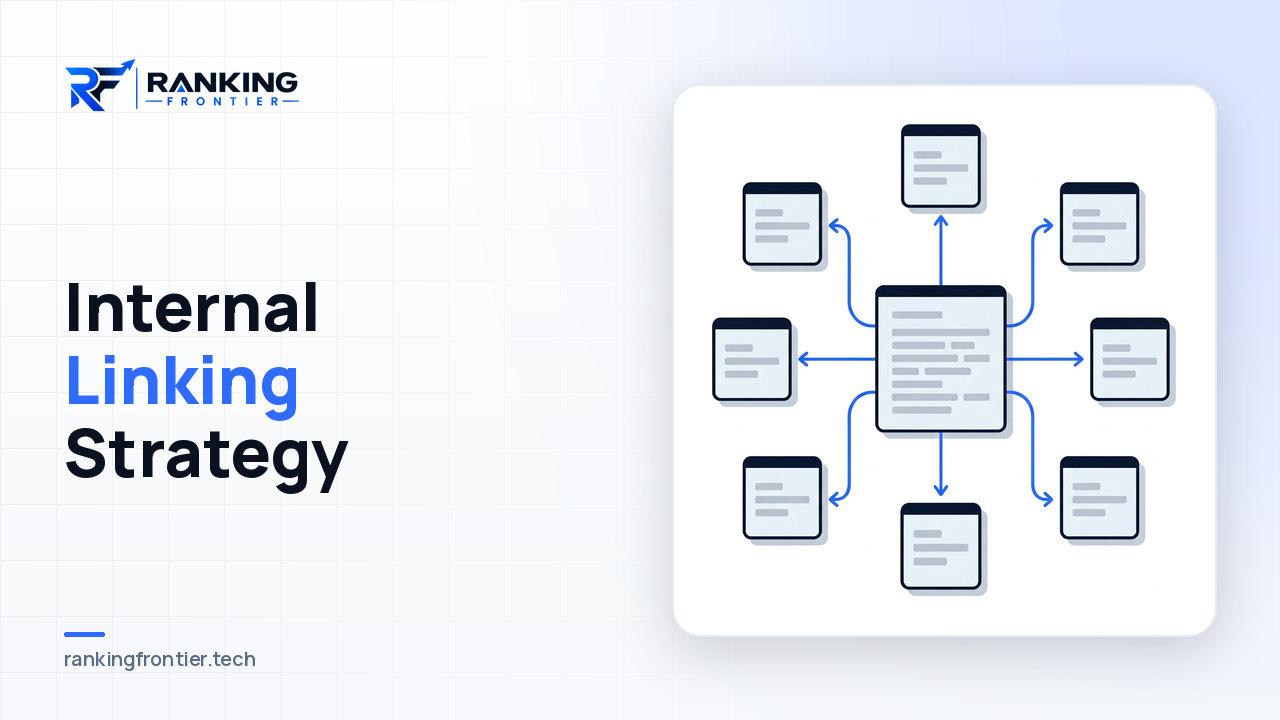
The most durable internal linking pattern groups related pages around a hub. The hub is a comprehensive page on the broad topic; the spokes are narrower pages covering sub-topics. The hub links down to every spoke, every spoke links back up to the hub, and spokes link sideways to each other where it genuinely helps the reader.
If you have already organised content into topic clusters, the internal links are simply the wiring that makes the cluster real. A cluster with no links between its pages is just a folder.
The commercial layer sits on top of this. Each hub should link to the service or product page it most naturally supports, in a sentence that would make sense to a reader who has never heard of SEO. That single link from a well-linked guide is often worth more than a dozen footer links.
Choosing anchor text for internal links
Anchor text for internal links follows a simple rule: describe the destination in the words a reader would use. Search engines use internal anchors as a relevance signal, so "how to evaluate backlink quality" tells them far more than "click here" or "this post".
Two mistakes are common. The first is generic anchors ("read more", "learn more") that carry no meaning. The second is the opposite: linking to the same page fifty times with an identical exact-match phrase. That looks mechanical, reads badly and gives you no information about which links people actually use. Vary the phrasing naturally. A page about link building can be referenced as "link building", "earning links from relevant sites", "our link building approach" and "building authority" across different articles, and each one is a legitimate description.
Place links where they add something. A link inside a sentence that explains why the reader might want it is worth more than the same link in a list at the bottom of the page, and far more than a link repeated in every sidebar. Navigation menus handle discovery; contextual links in body copy carry the relevance.
A repeatable internal linking process
Internal linking decays. New pages get published without links pointing to them, old pages keep linking to content that has been merged or deleted, and the structure slowly stops matching the strategy. A simple routine prevents that.
- When you publish a new page, add at least three contextual links to it from existing relevant pages before you consider it live. Search your own site for the topic; the best link opportunities are sentences that already mention it.
- When you update an old page, check its outgoing links. Point them at the current best version of each topic, not the version that existed when it was written.
- Quarterly, re-crawl. Look for new orphans, redirect chains inside internal links, links to 404s and important pages whose click depth has crept up.
- After any site restructure, treat the internal link map as part of the migration, not an afterthought. A redirect keeps the URL working; updating the link removes the redirect hop entirely.
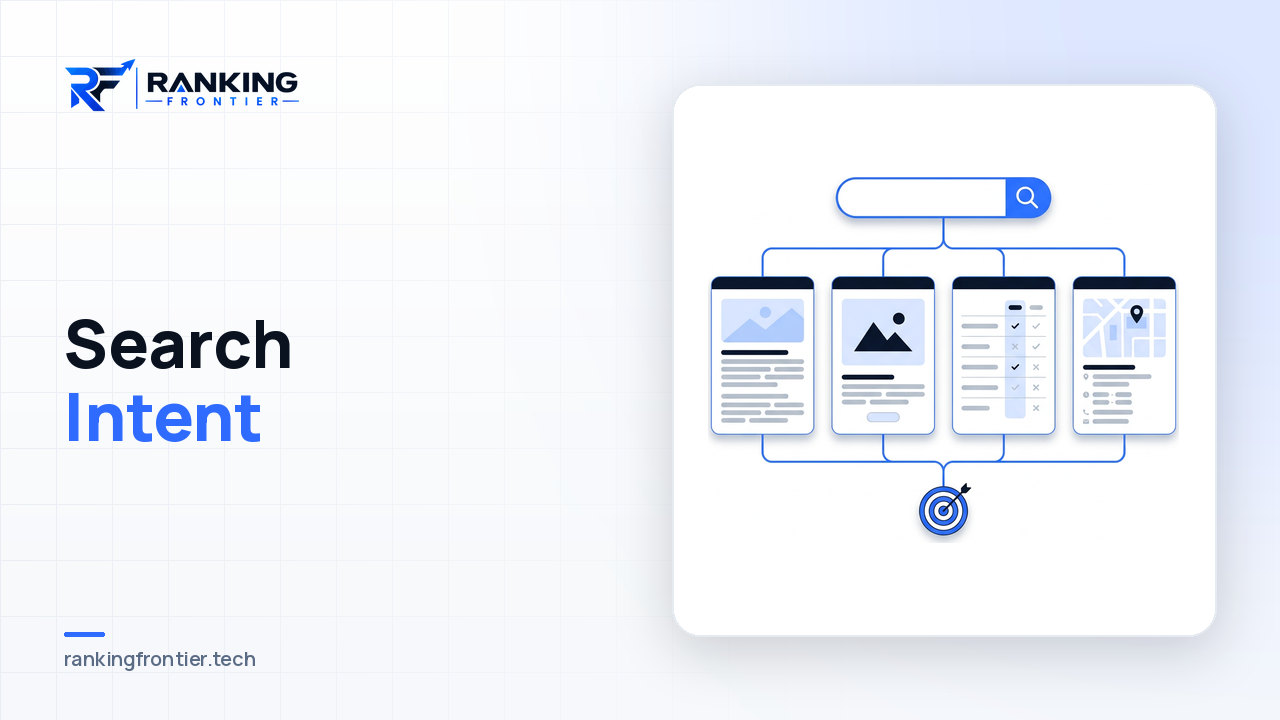
Internal links also only help if the destination page matches what the anchor promises. Linking "pricing" to a general overview or "how to" anchors to a sales page frustrates readers and muddles the signal. Check search intent for the destination before you decide which page deserves the link.
Mistakes that quietly hold pages back
- Linking everything from everywhere. When every page links to every other page, no link stands out. Prioritise.
- Blocking your own links from passing value. There is almost never a reason to add a rel attribute that tells search engines to ignore a link to your own page. It doesn't conserve authority; it just discards it.
- Linking through redirects. Old internal links pointing to redirected URLs waste crawl effort and dilute signals. Update them to the final destination.
- Treating the blog as separate from the business. Articles that never link to a relevant service page are earning authority the business can't use.
Internal linking is usually one of the highest-return items to come out of an audit, precisely because it costs nothing to fix. If you are working through a wider SEO strategy, it belongs near the top of the list rather than the bottom.
FAQ
How many internal links should a page have?
There is no correct number. Link where it helps the reader and stop when it doesn't. A 1,500-word article might naturally support five to ten contextual links; a short product page might support two. Density matters less than relevance and placement.
Do internal links pass as much value as backlinks?
Internal links distribute the authority a site already has; they don't create new authority the way an external link does. That is exactly why they matter: without them, the authority you have earned stays concentrated on a few pages instead of reaching the ones that need it.
Should I use exact-match anchor text for internal links?
Descriptive anchors are fine and encouraged internally, including ones that contain the target phrase. The problem is repetition: dozens of identical exact-match anchors look engineered. Describe the destination naturally and let the wording vary from page to page.
Conclusion
A good internal linking strategy is less about clever tricks than about deliberate plumbing: know which pages hold authority, decide which pages deserve it, and connect them with links that a reader would actually want to click. Find your orphans, flatten your click depth, wire up your hubs, write anchors that describe where they go, and repeat the check every quarter. It is unglamorous work, and it is often the fastest win available.