Link Building | Content Marketing | SaaS SEO
Positioning of search engines refers to the optimization of your web pages in order for them to rank well in search engine results for certain keywords and phrases. Positioning will help you gain more exposure for your business, bring in potential customers, and generate leads and sales.
Yet, better search rankings cannot be achieved through the simple insertion of keywords on pages. Contemporary SEO includes intent, value-added content, optimization, internal links, site speed, authority, and measurement. This guide will teach you about the process of search engine positioning and its importance, factors influencing your position, and a way to develop an effective SEO strategy for 2026.
What Is Search Engine Positioning?
Search Engine Positioning is an effort that involves increasing the position of particular pages on the website on the search engine results page.
For example, take the case when the firm offers SEO services in Lahore and has a webpage that is optimized for the search phrase “SEO services Lahore.” If the webpage is ranked on the third page by Google, there is potential to improve the SEO ranking of the webpage.
It is not just a case of getting a good ranking on a large number of keywords, but of obtaining a good ranking on the proper keywords that are relevant to you and your customers.
Search Engine Positioning vs SEO
SEO is the broader process of improving a website's organic visibility. It includes several areas, such as:
- Technical SEO
- Keyword research
- Content optimization
- On-page SEO
- Internal linking
- Link building
- Local SEO
- Website performance
- Search analytics
Search engine positioning concerns itself with how your webpages are ranking for critical keywords. As such, SEO will provide you with the strategies and framework needed to develop effective search engine positioning.
Why Search Engine Positioning Matters in 2026
Search engines have evolved over time, and their output now contains various kinds of elements along with regular organic results. Users can find images, videos, featured snippets, local results, and many other search features along with the organic results.
This implies that merely having a website will not do; your site must be found by people when they are looking for something related to your business.
Benefits of Better Search Engine Positioning
Improved positioning can help businesses:
- Increase organic visibility
- Attract more relevant website traffic
- Reach users with stronger search intent
- Generate qualified leads
- Increase brand awareness
- Support online sales
- Reduce dependence on paid advertising
- Build long-term organic traffic
For instance, a webpage ranking high in the list of search results for a commercially relevant keyword may get more exposure than another page ranked further down in the list. However, the rankings must always be viewed in conjunction with clicks, traffic, conversions, and commercial success.
How Search Engine Positioning Works
Before a search engine decides the placement of web pages in search results, it needs to identify, crawl, interpret, and analyze those web pages.
1. Crawling
The process of finding website pages by means of computer programs called crawlers, and it is used by search engines. Failure to crawl important pages may prevent their appearance in search engine results.
2. Indexing
Once the page is crawled by the search engine, it is decided if it needs to be indexed.
Indexing may fail due to various reasons such as technical difficulties, wrong instructions, or duplicates.
3. Understanding Content
The search engine looks at the content of a web page and determines what it is all about.
Well-defined headings, appropriate titles, helpful information, good structure, and pertinent links will help the search engine do this better.
4. Ranking
As soon as a person conducts a search, search engines analyze all the pages that exist and identify the pages that are more relevant to the particular search query.
Therefore, your page should not only be valuable, but also technically reachable and relevant to the user's request.
9 Strategies for Better Search Engine Positioning
Search visibility can be enhanced through a number of SEO activities. None of them can ensure a particular ranking.
1. Match Your Content With Search Intent
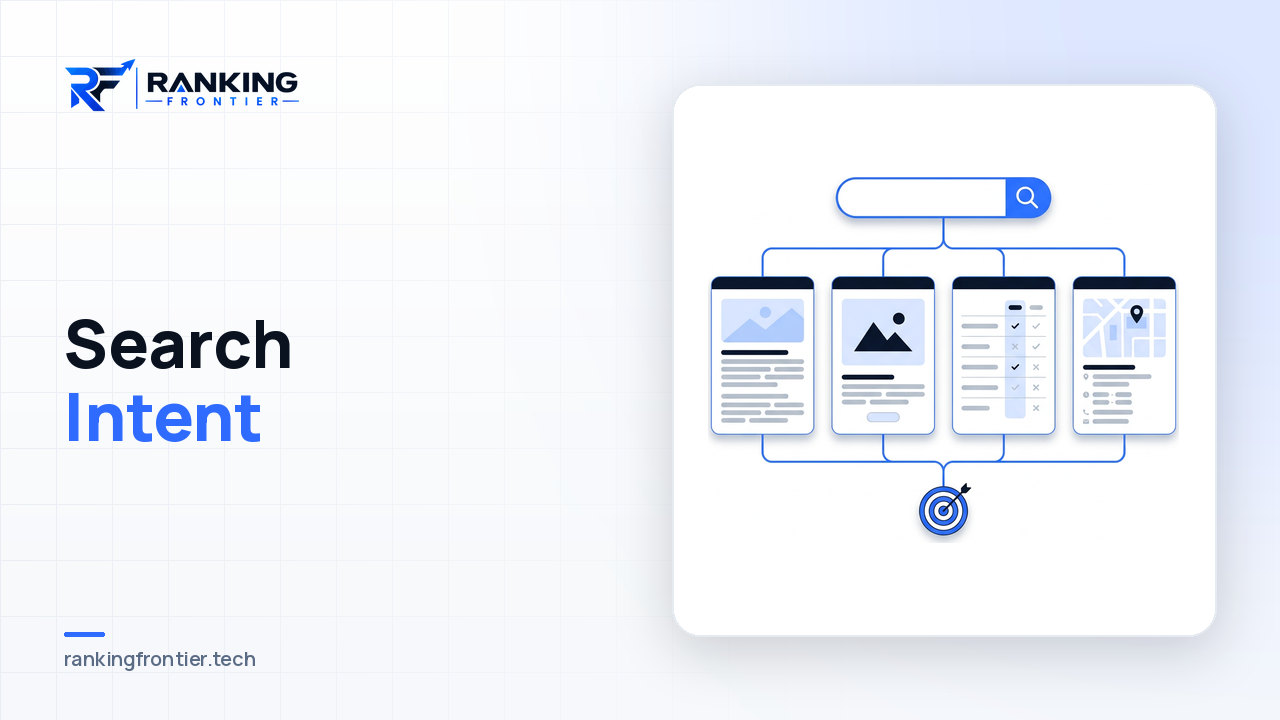
Search intent is the reason behind a user's search.
For example:
- "What is search engine positioning?" is informational.
- "Search engine positioning expert" has a stronger commercial research intent.
- "SEO positioning services" is more commercially focused.
- "How to improve search engine position" is primarily informational.
Understanding this difference helps you create the right type of page.
How to Match Search Intent
Before creating or optimizing a page:
- Identify the target keyword.
- Search the keyword on Google.
- Review the types of pages ranking.
- Understand what information users expect.
- Create content that directly satisfies that intent.
The service page must not be written as if it were an educational article. Likewise, the informational blog must not appear to be a sales page.
2. Create Helpful, People-First Content
The other important factor in SEO is the content. The first piece of advice that Google gives regarding content is to create useful and trustworthy content meant for people.
Your content should:
- Answer the main question clearly
- Provide useful information
- Explain important concepts
- Include relevant examples
- Address common questions
- Avoid unnecessary repetition
- Demonstrate genuine knowledge
- Be updated when information changes
Focus on Value Instead of Word Count: Longer content is not automatically better.
A good 1,200-word article is much more beneficial than a lengthy 3,000-word article, which just repeats itself. In such a case, what really matters is that you cover the topic well.
3. On-Page Optimization with Titles and Headings
Page titles help users and search engines understand what a page is about.
A good title should be:
- Relevant
- Specific
- Concise
- Descriptive
- Unique
Headings should then organize the content into logical sections.
For example:
Poor Structure
"SEO Positioning"
"More SEO Information"
"SEO Tips"
Better Structure
"How SEO Positioning Improves Organic Visibility"
"Factors That Affect Search Engine Positioning"
"Practical Strategies to Improve Your Search Engine Position"
4. Strengthen Internal Linking
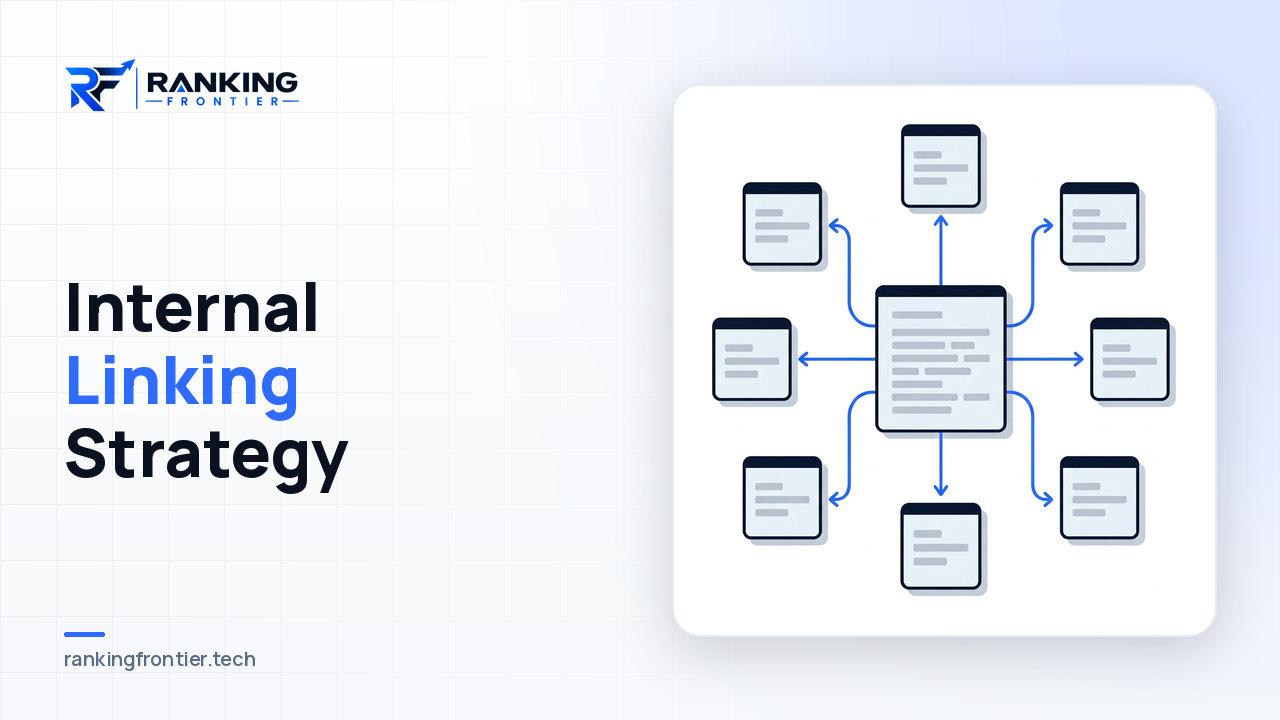
Internal links link pages within your site. They may help the user find related content and assist search engines in understanding the connections between different pages.
For instance, a blog post regarding search engine positioning may link to pages related to:
- SEO services
- Technical SEO
- Keyword research
- Local SEO
- Content marketing
Use descriptive text when you provide links so users know what they will find when they click.
Do not use phrases like "click here" multiple times.
5. Improve Technical SEO
Technical SEO ensures that search engines can access and understand your website properly.
Important areas include:
- Crawlability
- Indexability
- XML sitemaps
- Robots.txt
- Canonical URLs
- Redirects
- Broken links
- HTTPS
- Mobile usability
- Page speed
- Structured data
- Duplicate content
Why Technical SEO Matters
A page may have great content but fail to perform because search engines are unable to crawl and understand it. Technical SEO needs to be checked out often, especially for large websites.
6. Improve Website Performance
Website speed and responsiveness affect the user experience.
Core Web Vitals include:
- Largest Contentful Paint
- Interaction to Next Paint
- Cumulative Layout Shift
The website must load fast and be smooth enough to react when the user makes any movements.
Practical Performance Improvements
You can improve performance by:
- Compressing large images
- Removing unnecessary scripts
- Improving server response time
- Using browser caching
- Reducing unused JavaScript
- Optimizing CSS
- Using appropriate image formats
But performance must be evaluated alongside the quality, relevance, accessibility, and user experience.
7. Optimize Images
Images add value to the user experience if they are relevant to the information provided.
Use proper file names and alternative text when necessary.
For example:
“Search-engine-positioning-analysis.jpg” is more descriptive than:
“Image123.jpg”
Alt text should describe the image's purpose rather than simply repeating keywords.
8. Build Relevant Website Authority
Authority plays an important role in improving organic visibility, especially for industries that are more competitive in nature. Rather than concentrating on building backlinks, one should concentrate on securing credible references.
Useful approaches include:
- Publishing original research
- Creating valuable resources
- Digital PR
- Industry partnerships
- Expert contributions
- Producing link-worthy content
- Promoting useful resources
Avoid manipulative link-building practices that violate search engine guidelines.
9. Monitor and Improve Performance
SEO is an ongoing process. Google Search Console provides useful performance information, including:
- Clicks
- Impressions
- CTR
- Average position
- Search queries
- Landing pages
- Devices
- Countries
These metrics help identify pages that are gaining visibility and pages that need further optimization.
How to Perform a Search Engine Position Analysis
Website Search Engine Position Analysis is useful in determining the current standing of your website when it comes to relevant search queries. Create an initial list of priority keywords and the respective landing pages.
Important Metrics to Track
| Metric | What It Tells You |
|---|---|
| Current Position | Where your page currently appears |
| Previous Position | Whether visibility has changed |
| Impressions | How often your result appears |
| Clicks | How much traffic the result receives |
| CTR | How effectively impressions generate clicks |
| Target URL | Which page ranks for the keyword |
| Search Intent | Whether the page matches the query |
| Conversions | Whether traffic produces business results |
Analyze Ranking Opportunities
Pages ranking between positions 4 and 20 can often provide useful optimization opportunities.
Review:
- Content quality
- Search intent
- Page title
- Headings
- Internal links
- Technical issues
- Competitor content
- Page experience
- Relevant authority signals
But ranking position should not be the only standard that you use to make SEO decisions. A keyword that is searched for thousands of times can have little or no value from an SEO perspective.
Search Engine Positioning Example
Consider the category page of an e-commerce site that sells ergonomic office furniture. The page gets impressions from multiple searches, but it does not appear on the first few pages of those searches.
A structured positioning strategy could involve several steps.
Step 1: Analyze Search Intent
Determine whether users want products, comparisons, buying advice, or general information.
Step 2: Improve the Category Page
Add useful product information, buying guidance, specifications, filters, and relevant FAQs.
Step 3: Strengthen Internal Links
Connect relevant blog articles and supporting pages to the main category page.
Step 4: Improve Technical SEO
Check indexing, canonicalization, mobile usability, performance, and structured data.
Step 5: Publish Supporting Content
Create useful articles around related topics and connect them to the main commercial page.
Step 6: Measure Performance
Track impressions, clicks, rankings, traffic, and conversions.
This method ensures the development of a well-rounded search engine positioning strategy instead of using one method of optimization.
Common Search Engine Positioning Mistakes
Keyword Stuffing
Using too many keywords can make content awkward to read. Use keywords only when necessary and try to ensure that you cover all aspects of the topic.
Creating Too Many Similar Pages
It is unnecessary to create separate webpages for each variant of keywords. It is better to analyze the intent behind each set of keywords.
Ignoring Search Intent
Content that is well optimized may underperform because of its inability to meet users' needs. It is always advisable to check search engine results first before writing content.
Focusing Only on Rankings
Rankings are useful, but they are not the complete picture.
Also monitor:
- Organic traffic
- CTR
- Leads
- Sales
- Engagement
- Conversions
Neglecting Technical Problems
Content improvements cannot fully compensate for serious crawling, indexing, or website performance problems.
Using Manipulative Link-Building Tactics
Quality and relevance are more important than simply collecting a large number of backlinks.
Ignoring Mobile Users
Google uses mobile-first indexing, so your mobile website should provide a complete and accessible experience.
Search Engine Optimization and Positioning Work Together
SEO optimization and positioning are very much interrelated. SEO gives the tools needed to boost your visibility organically, while positioning allows you to see where your pages rank for key search terms.
A complete strategy can look like this:
- Technical SEO: Improves accessibility and crawlability
- Content SEO: Improves relevance and usefulness
- Internal Linking: Connects important pages
- Authority Building: Supports credibility and visibility
- Analytics: Measures performance
- Continuous Optimization: Creates ongoing improvement
When these areas work together, businesses can build a more sustainable organic search strategy.
What Does a Search Engine Positioning Expert Do?
A search engine positioning expert typically works across several areas of SEO.
Their responsibilities may include:
- Keyword research
- Search intent analysis
- Competitor research
- Technical SEO audits
- Content optimization
- Internal linking
- Website structure
- Performance analysis
- Authority development
- Search Console analysis
- SEO reporting
It’s crucial to understand that the specialist must not stop at the ranking number. For instance, if the page holds position 15 in the search results, the following action won’t be “Add keywords.”
The page may instead need:
- Better search intent alignment
- Stronger content
- Better internal links
- Technical improvements
- Better page experience
- Greater topical coverage
Understanding the underlying problem is what makes SEO optimization more strategic.
How to Create a Search Engine Positioning Improvement Plan
A practical SEO plan can be divided into three stages.
Month 1: Research and Diagnosis
Start by:
- Auditing technical SEO
- Identifying priority keywords
- Reviewing current positions
- Analyzing search intent
- Identifying content gaps
- Reviewing competitors
- Finding underperforming pages
Month 2: Optimization
Next:
- Improve important page titles
- Update existing content
- Add missing information
- Strengthen internal links
- Resolve technical problems
- Improve website performance
- Optimize relevant images
Month 3: Expansion and Measurement
Finally:
- Publish supporting content
- Promote valuable resources
- Build relevant authority
- Monitor rankings
- Review Search Console data
- Analyze traffic
- Track conversions
- Identify new opportunities
The process should continue as a cycle:
Research → Optimize → Measure → Learn → Improve
How Businesses Can Maintain Better Search Positions
A higher rank is just one step in the process, as visibility needs to be maintained consistently.
Update Important Content
Review pages regularly and update outdated information.
Monitor Competitors
It is possible to post fresh content, upgrade websites, and exploit new search engine opportunities.
Track Search Trends
Search behavior can change over time, so your keyword strategy should evolve as your audience changes.
Improve Underperforming Pages
Do not limit your activities to just writing new content because at times, making changes to the old content may present you with more options.
Connect SEO With Business Goals
Your SEO strategy should ultimately support measurable business outcomes.
Ask:
- Are qualified users finding the website?
- Are organic visitors engaging with important pages?
- Are visitors becoming leads?
- Are sales increasing?
- Which pages contribute to conversions?
These questions provide more meaningful insight than rankings alone.
Key Takeaways
- Search engine positioning focuses on improving the visibility of important website pages.
- Strong positioning requires content, technical SEO, internal linking, authority, and continuous analysis.
- Search intent should guide your content strategy.
- Useful, people-first content is more valuable than keyword-heavy content.
- Technical SEO ensures search engines can access and understand your pages.
- Search Console can help monitor clicks, impressions, CTR, and average position.
- Rankings should be evaluated alongside traffic and business conversions.
- SEO positioning is an ongoing process rather than a one-time task.
Ranking Frontier: Your Partner for Better Search Visibility
Ranking Frontier is a digital marketing company that specializes in providing SEO services in order to improve the online visibility of websites through proven techniques and strategies. Strategies like technical SEO, content optimization, keyword research, and internal linking, among others, can be used in order to determine how visibility loss is occurring and which areas need to grow.
If your website is having problems getting its target audience through the search engine results, then Ranking Frontier can provide you with an SEO plan that is tailored to your website’s strengths, competition, and goals.
Contact Ranking Frontier to discuss your SEO goals and build a focused plan for sustainable organic growth.
Conclusion
Positioning in a search engine is not just about getting a high number in the search engines; it is about increasing the visibility of your most important pages to those actively seeking what you offer. It begins with identifying the intent behind searches and then analyzing the performance of your website. Thereafter, it is possible to work on content, internal linking, technical SEO, site speed, and even earn authority.
On our blog page, you can explore more practical SEO insights and methods to improve your website’s organic visibility. To learn more about our approach and services, visit the About Us page.
Ranking Frontier will help you determine the SEO potential and create a plan for growth in the organic sector. You should contact Ranking Frontier now in order to start on the path of optimization.
FAQs
What is search engine positioning?
Search engine positioning refers to the technique used to increase the ranking of a website page on search engine results pages for particular searches.
How can I improve my search engine position?
Align search intent, enhance content, improve technical SEO, improve internal linking, improve site performance, and build authority. Monitor the process continuously.
What is the difference between SEO positioning and SEO?
SEO represents the general effort to increase organic visibility, but SEO positioning refers to the specific optimization of page visibility and placement for appropriate search queries.