Off-page SEO is everything that influences how search engines perceive your site that does not happen on your own pages: backlinks, brand mentions, reviews, and the general footprint your business leaves across the web. Most off-page checklists are either a list of places to drop links or a vague instruction to “build authority”. Neither helps you decide what to do on Monday morning.
This checklist is ordered the way we run off-page work for clients: foundations first, then the tactics that move specific pages, then the habits that keep a link profile healthy. Work through it in sequence and skip the items that do not apply to your business.
Foundations: Before You Build Anything
1. Audit the backlinks you already have
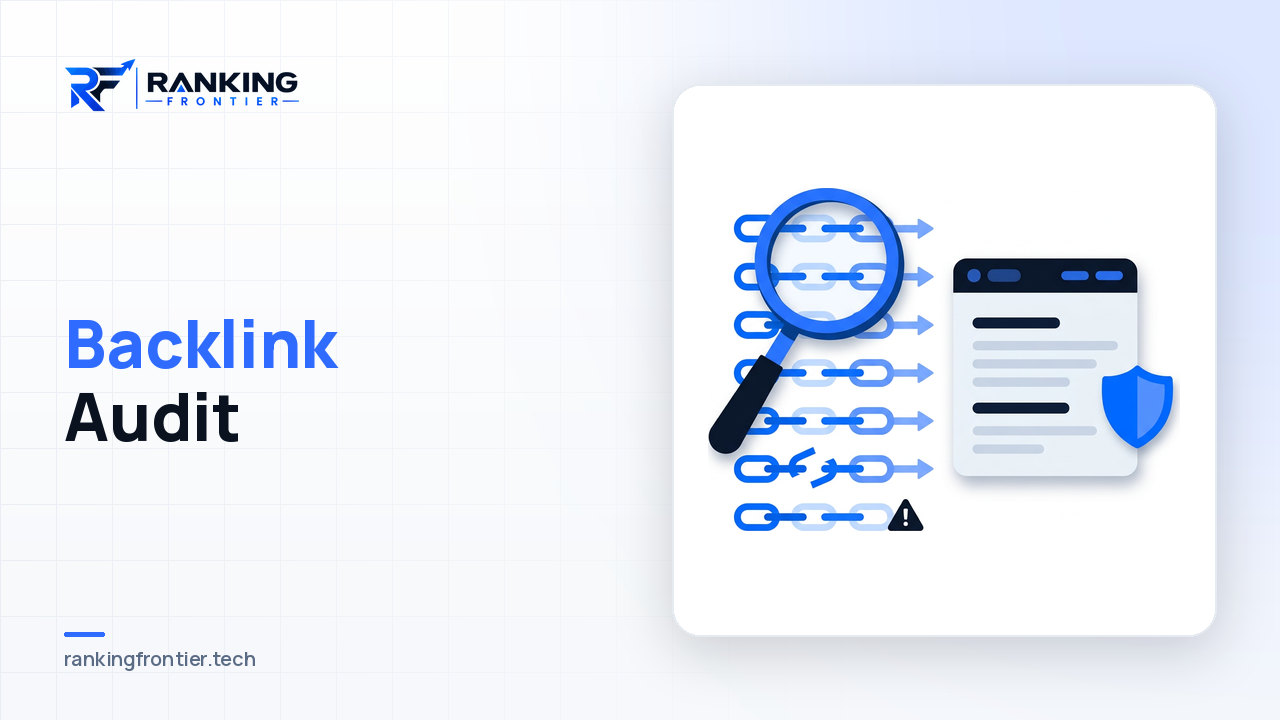
Export your referring domains from Search Console and a backlink tool. You are looking for three things: which pages already attract links, which anchors dominate, and whether there is anything manipulative in the profile from past campaigns. Our guide to backlink audits and toxic links explains how to classify what you find and when a disavow is actually warranted (less often than most people think).
2. Choose the pages that need authority
Off-page work without target pages becomes a vanity exercise in domain metrics. List the five to ten pages that matter commercially, note where they rank today, and compare their referring domains with the pages ranking above them. That gap is your plan.
3. Fix on-page and internal linking first
Links pointing at a page that is slow, thin or buried three clicks from the homepage underperform. Make sure each target page is internally linked from relevant content, has a clear title and heading, and loads properly on mobile. Our internal linking guide covers the fastest fixes.
4. Run a competitor link gap analysis
Take the top three to five competitors for your target queries and list the domains linking to them but not to you. Filter for relevance and real traffic. The result is a prospect list that is already proven to link to sites like yours.
Link Acquisition: The Tactics That Move Pages
5. Reclaim unlinked brand mentions
Search for your brand, product names and senior people’s names. Every mention without a link is a polite email away from becoming one. This is the cheapest link building there is and almost every established business has some.
6. Recover lost links
Backlink tools report links that have disappeared. Some are gone for good, but many are broken redirects, deleted pages on your side, or an editor’s tidy-up. Fixing your own redirects and asking for reinstatement is quick work.
7. Build or improve one linkable asset
A piece of original data, a free tool, a definitive reference or a well-made template earns links long after the campaign ends. It also gives your outreach something to offer other than “please link to us”. See our article on creating linkable assets for formats that work.
8. Run targeted outreach
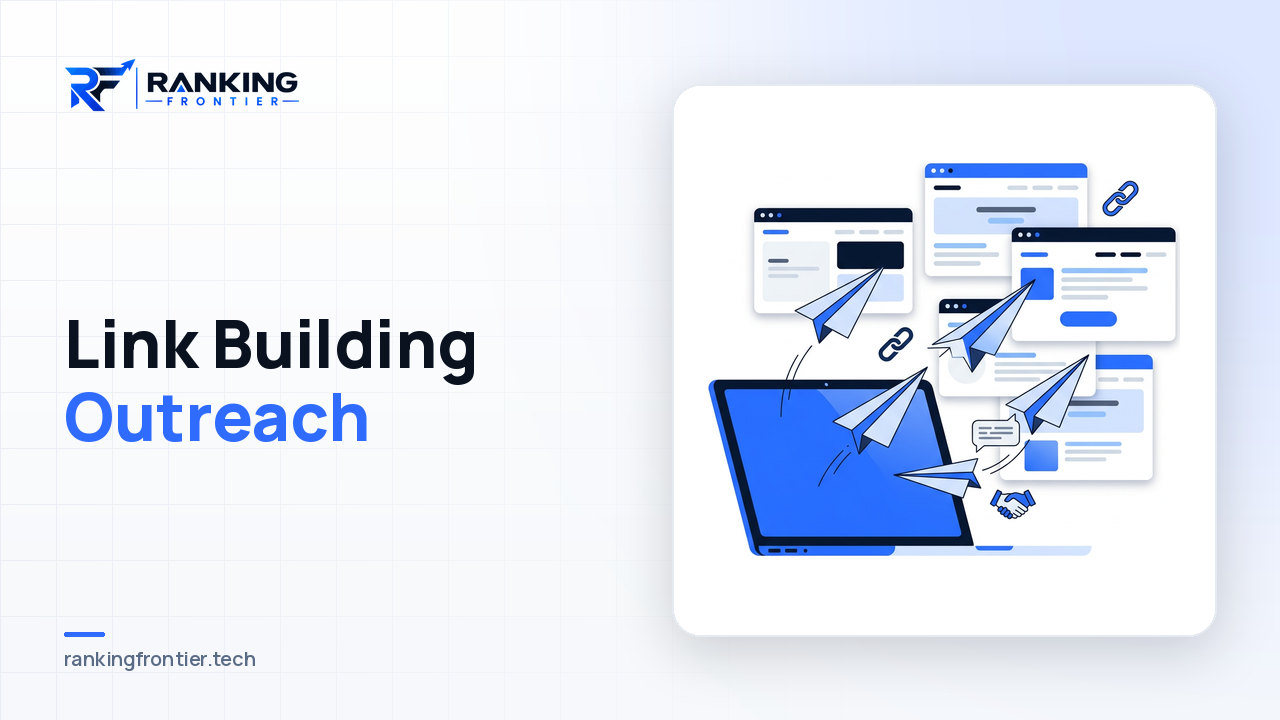
Take the prospect list from steps 4 and 7 and reach out with a specific, relevant reason to link: a resource that improves their article, a data point that supports their argument, a broken link you can replace. Personalised outreach to a shortlist beats templated outreach to thousands. Our link building outreach guide covers the process and the emails.
9. Publish guest posts where your audience actually reads
Guest posting still works when the publication has real readers and the article is genuinely useful. It fails when it is done at volume on sites that exist to host guest posts. Vet every site using the criteria in our guest post vetting checklist, and keep anchors natural.
10. Secure contextual placements in existing content
Articles that already rank for your topic are often the most relevant place for a link. Link insertions and niche edits put you into those pages without waiting for new content to be indexed. Relevance of the specific page, not just the site, is the test. Our comparison of niche edits and guest posts explains when to use each.
11. Earn editorial coverage
Digital PR, expert commentary and journalist requests produce links on publications you cannot pitch a guest post to. They build domain-level authority rather than page-level, so pair them with internal links to commercial pages. Start with journalist request platforms if you have an expert available, and move to campaign-led PR when you have a story worth telling.
12. Use the links built into your ecosystem
Partner directories, integration marketplaces, supplier pages, association memberships, event listings and sponsorships all carry legitimate links. They are rarely spectacular individually, but they are relevant, cheap and often overlooked.
Trust and Brand Signals Beyond Links
13. Build and maintain reviews
Reviews on platforms relevant to your category (Google Business Profile for local businesses, software review sites for SaaS, industry directories elsewhere) influence buyers directly and shape the brand information that appears around your results. Ask consistently, respond to every review, and never fabricate them.
14. Keep business information consistent
For businesses with a physical location or service area, consistent name, address and phone details across directories and listings still matter. For everyone else, a consistent brand description, logo and set of profile links across the platforms you actually use is enough.
15. Be present where your industry talks
Communities, podcasts, webinars and industry newsletters produce mentions, links and the kind of brand searches that correlate with strong organic performance. This is slow and does not scale, which is why it is credible.
Hygiene and Monitoring
16. Keep anchor text natural
Across your whole profile, most anchors should be your brand name, your URL or generic phrases. Exact-match commercial anchors should be the minority, and they should sit in genuinely relevant contexts. Our guide to anchor text describes a healthy distribution.
17. Avoid anything that resembles a scheme
Google’s link spam policies are explicit about what counts: buying links that pass ranking signals, excessive exchanges, private networks, automated link building and large-scale article campaigns with optimised anchors. If a tactic only works because Google has not noticed it yet, it is not an asset.
18. Monitor new links monthly
Review new referring domains each month. You are checking that the links you paid for or earned are live and indexed, and that nothing unexpected has appeared. Record live URL, anchor, target page and date for every link you build.
19. Measure at page level
Domain-wide authority scores are a weak proxy. Track rankings, impressions and clicks for your target pages and queries, and attribute movement to the work you did on those pages. Our article on SEO KPIs and reporting explains how to set this up so the numbers mean something.
20. Set a realistic review cadence
Judge placements immediately, rankings over months. Our article on how long link building takes explains what you should expect to see at 30, 90 and 180 days.
Prioritising the Checklist by Site Stage
Not every item carries equal weight at every stage. A sensible order of emphasis:
- New sites (little or no link profile): items 2, 3, 12 and 13 first. Choose target pages, make them strong, collect the links that come with your ecosystem (directories, partners, profiles, review platforms) and start gathering reviews. Then add targeted outreach and one linkable asset. Expect everything to take longer than published timelines suggest.
- Established sites with a messy profile: items 1, 16 and 17 before anything else. Understand what you already have, check anchor distribution, and deal with anything that looks like a past scheme. Building new links on top of an unexamined profile wastes money.
- Established sites with a clean profile that has plateaued: items 4, 7, 8 and 11. The gap analysis shows where competitors’ authority comes from, and a linkable asset plus outreach or editorial coverage is what closes it.
- Sites in competitive niches already ranking on page one: items 10, 11 and 18 to 19. Contextual placements and coverage maintain momentum, and page-level monitoring shows whether specific commercial pages are slipping before it shows up in revenue.
The Checklist in One Table
| Stage | Tasks | Frequency |
|---|---|---|
| Foundations | Backlink audit; choose target pages; fix internal links; competitor gap analysis | Once, then quarterly review |
| Acquisition | Unlinked mentions; lost links; linkable asset; outreach; guest posts; insertions; editorial coverage; ecosystem links | Ongoing, prioritised by target page |
| Trust signals | Reviews; consistent business information; industry presence | Continuous, low intensity |
| Hygiene | Anchor balance; policy compliance; link monitoring; page-level measurement | Monthly |
FAQs
What is the difference between off-page SEO and link building?
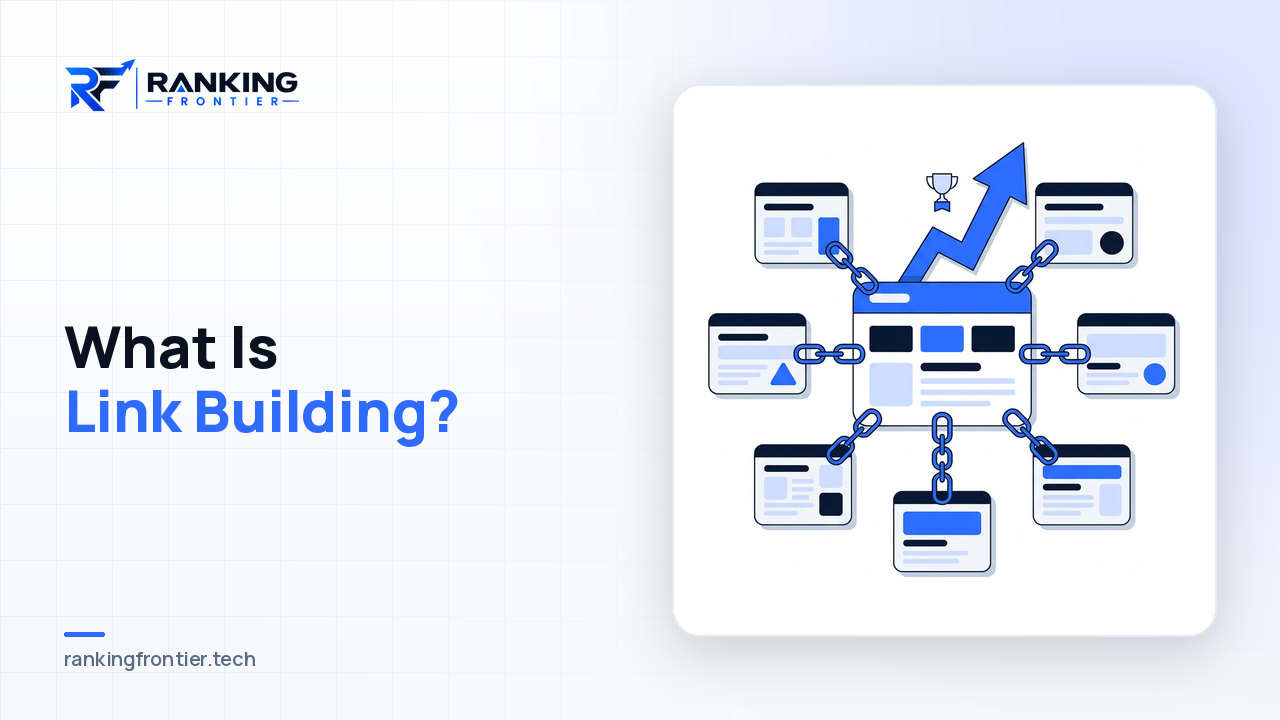
Link building is the largest part of off-page SEO, but off-page also covers brand mentions, reviews, business listings and the wider reputation signals that influence how search engines and users perceive a site. If you want the fundamentals of the link side, start with our explainer on what link building is.
Do social media signals affect rankings?
Google has said social signals are not a direct ranking factor. Social activity still matters for off-page SEO indirectly: it gets content in front of people who may link to it, and it drives the branded searches and mentions that accompany strong organic performance.
How often should I repeat this checklist?
The foundation steps are worth repeating each quarter as target pages change. Acquisition work is continuous. Monitoring and hygiene are monthly tasks that take an hour or two once the process is set up.
Conclusion
Off-page SEO rewards sequence and restraint: know which pages need authority, fix what would waste the links, build relevant links from sources with real readers, and keep the profile clean. None of it is complicated, but all of it takes consistency. If you would like a team to run this checklist against your target pages, Ranking Frontier’s link building services and outreach services are built around exactly this process.